4 Proven Steps to Handle Unexpected Thesis Results
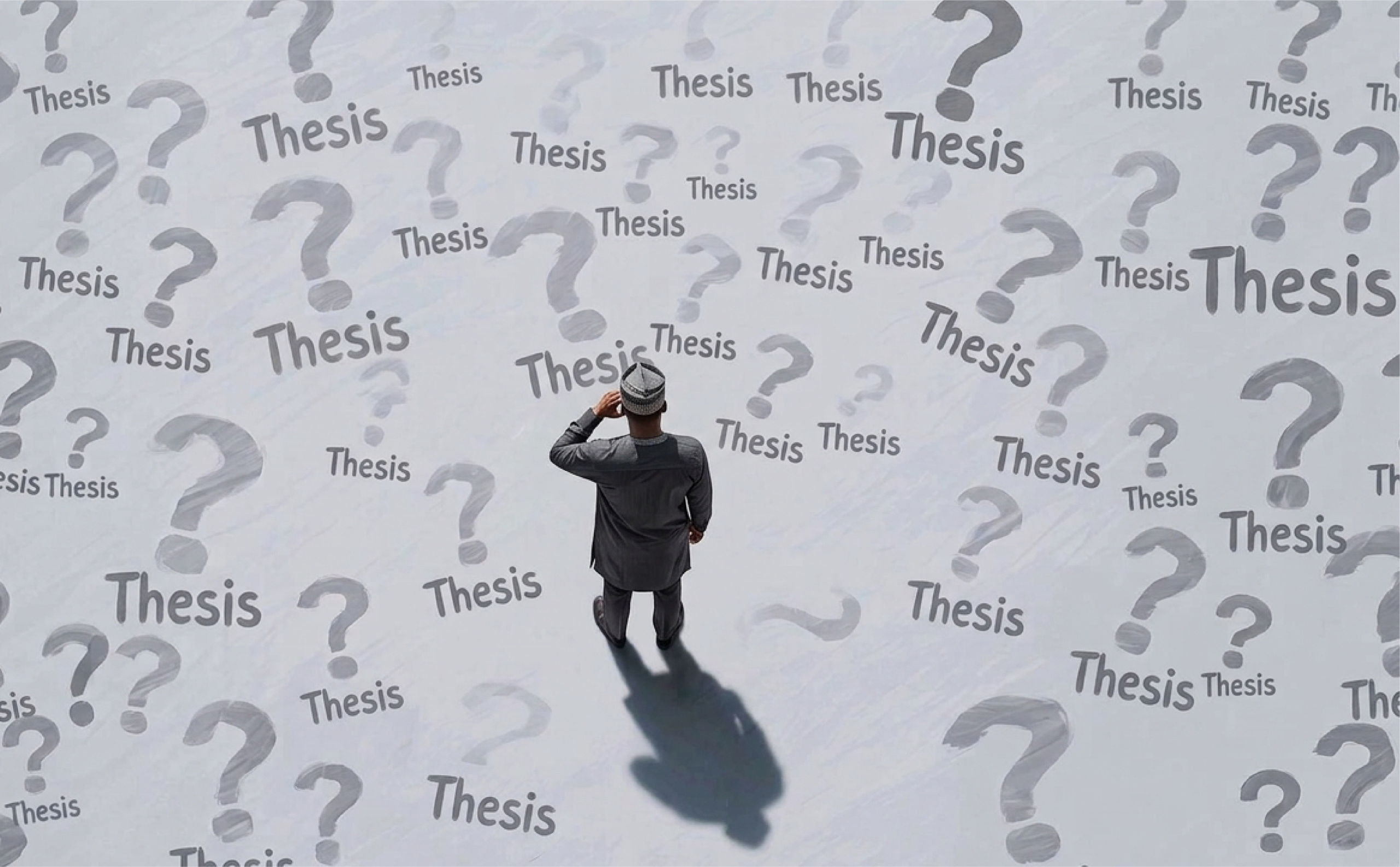
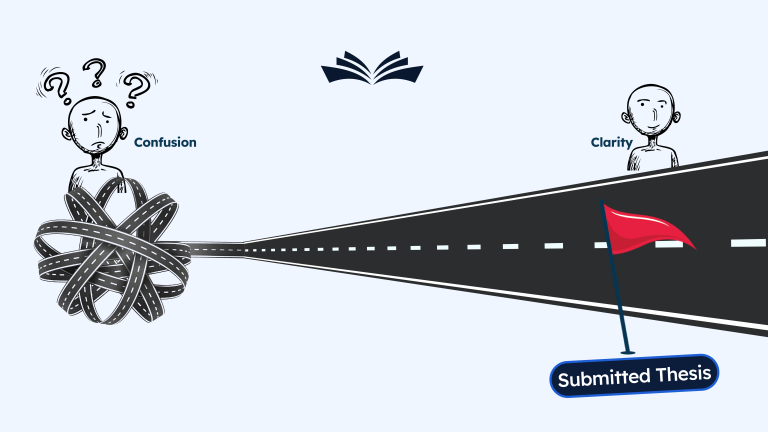
It’s around 1am, you’ve run your analysis for what feels like the tenth time, and you’re staring at unexpected thesis results that don’t match a single line of your hypothesis. You check again anyway, half-hoping something changes. It doesn’t, and now you’re wondering if your whole project just fell apart.
It hasn’t. Unexpected thesis results happen to almost everyone who does research, and they’re a lot more normal than anyone tells you before you get here.
A hypothesis is a guess, not a promise
When you wrote your hypothesis months ago, you were making an educated guess based on what you’d read and what made sense at the time. You were never actually promising that your data would agree with you, and your job was never to prove yourself right. It was to find out what’s actually going on, even if that turns out to be something different from what you expected.
This is true whether you’re an undergraduate finishing a project or a PhD candidate years into your research. The difference between a researcher who gets stuck and one who doesn’t usually isn’t about getting the “right” result. It’s about knowing what to do the moment you get unexpected thesis results instead.

A few things to avoid
Before anything else, it’s worth being clear about what not to do, because this is where people get into real trouble.
- Don’t remove outliers from your data just because they’re getting in the way of a cleaner result, unless you have an actual statistical reason to do it.
- Don’t quietly rewrite your hypothesis after you’ve already seen your results and pass it off as what you predicted all along, because supervisors and examiners can usually tell, and it damages the credibility of the whole thesis.
- Don’t try to adjust your data to force a tidier story, because that’s not a shortcut, it’s the kind of thing that turns a completely normal research outcome into a real problem at your defence.
4 Proven Steps to Handle Unexpected Thesis Results
Start by checking your work again before you assume anything is wrong. A lot of results that look shocking at first turn out to be a data entry mistake or the wrong statistical test, so it’s worth ruling that out first.
Then go back to your literature and see if anyone else has found something similar, because unexpected thesis results are common enough in most fields that you can usually find other studies to sit alongside yours, which turns your result into part of an ongoing conversation instead of a dead end.
Talk to your supervisor as soon as you notice something is off, rather than waiting until your defence to bring it up. They’ve almost certainly seen this exact situation before, more than once, and an early conversation will save you a lot of stress later.
When you get to your discussion chapter, don’t hide what happened. Explain it honestly, and if something about your methodology might have contributed to the outcome, say so, because examiners respect a candidate who can look critically at their own work.

Worth writing on a sticky note…your thesis results do not mean failure
How you write it makes a real difference
There’s a big difference between saying “the results failed to show a significant relationship” and saying “contrary to expectations, the data did not support a significant relationship, possibly due to X, which is consistent with findings in a similar study.”
Both sentences describe the exact same result, but the second one sounds like analysis, while the first one sounds like giving up. Examiners can tell the difference, and once you see it, you’ll start noticing it in your own writing too.
Your data not matching your hypothesis isn’t your thesis falling apart. It’s your thesis doing exactly what it’s supposed to do.
What often gets left out of this conversation is that unexpected results are usually the most interesting part of a defence. Nobody has much to discuss when a result confirms exactly what everyone already assumed. A result that goes against expectation gives you something real to explain and defend, which is, in the end, what the whole process is actually testing.
If this is where you are right now
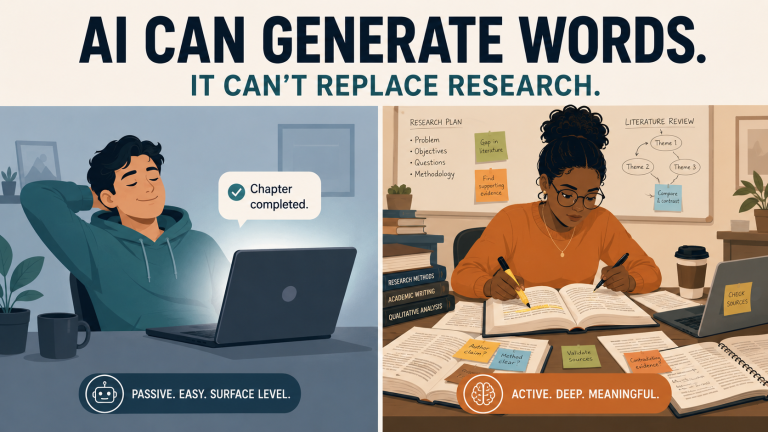
You don’t have to work through this alone at 1am. Thesisprofs SpeedWrite walks you through exactly this kind of moment, from revisiting your research problem to checking your methodology against your data and writing a discussion chapter that actually holds up. If you’d rather have someone look directly at your chapter, SpeedWrite 1-on-1 Coaching connects you straight to the Thesisprofs team.