Why Is My Thesis Taking So Long? 9 Reasons Master’s and PhD Students Get Stuck
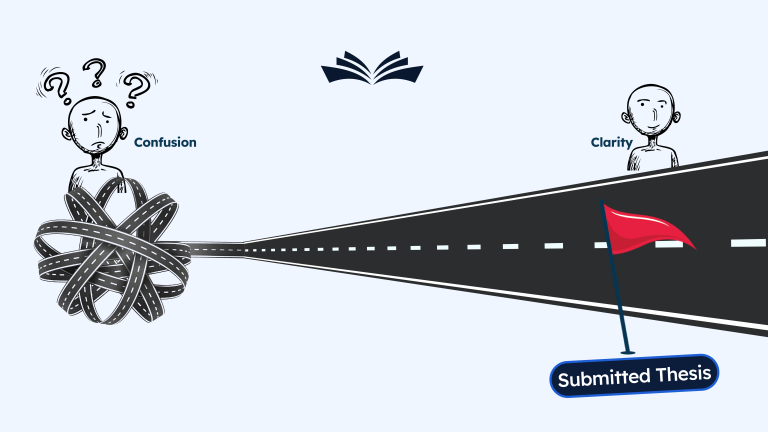
Thesis taking too long? It’s almost never about intelligence, effort, or your topic being ‘too hard. It’s structural. Vague research questions, no writing routine, an endless literature review, and unclear next steps are the most common reasons students stall out, often for months at a time. Fix the structure, and the timeline usually fixes itself.
If you started your thesis thinking you’d be done in six months and you’re now well past that, you’re not alone, and you’re not behind in the way it feels. Most delays trace back to a handful of predictable causes, and most of them are fixable without starting over.
Table of Contents
9 Reasons Your Thesis Is Taking Too Long
1. Your Research Question Is Still Moving
If you’re still tweaking your research question three chapters in, everything downstream, lit review, methodology, analysis, keeps shifting with it. A thesis can’t stabilize until the question does.
2. You’re Writing in Bursts, Not on a Schedule
Waiting for a free weekend or a burst of motivation means most of your calendar produces zero pages. Consistent short sessions beat occasional marathons almost every time.
3. You’re Perfecting Sentences Before the Argument Exists
Polishing paragraph-by-paragraph on a first pass means you’re editing ideas you haven’t finished having yet. That’s slow by design.
4. Your Literature Review Has No Endpoint
Without a clear stopping rule, “just a bit more reading” can quietly consume months. At some point the review has to serve the thesis, not replace it.
5. You’re Re-Deciding Your Methodology Over and Over
Second-guessing an already-approved method every few weeks isn’t rigor, it’s a loop. Most methodology anxiety needs one real conversation with your advisor, not five internal debates.
6. You’re Working in Isolation
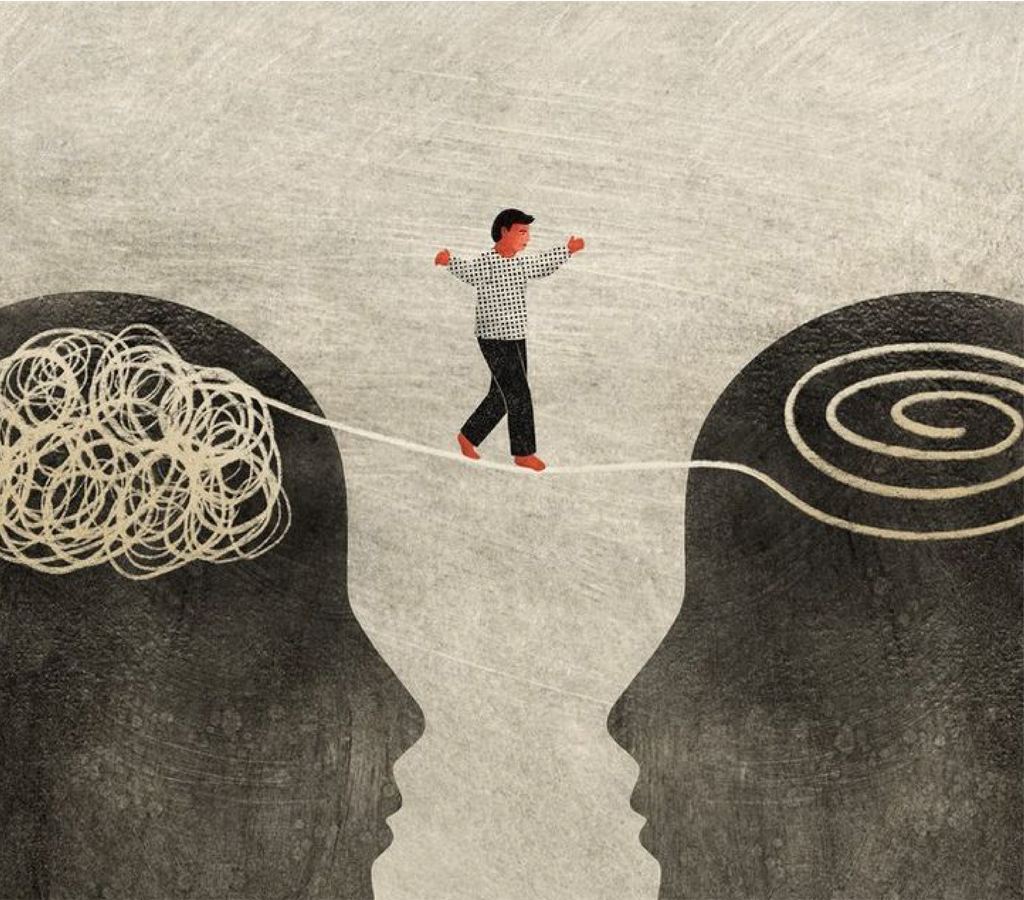
No regular feedback loop means small confusions calcify into big ones before anyone catches them. Isolation doesn’t just slow writing, it hides problems until they’re expensive to fix.
7. Life Is Legitimately Competing for Your Time
Jobs, family, health, funding stress, these are real constraints, not excuses. The fix isn’t guilt, it’s designing a workflow that survives a smaller, less predictable time budget.
8. You’re Waiting to “Finish” One Chapter Before Starting the Next
Thesis chapters aren’t strictly sequential dominoes. Waiting for Chapter 2 to feel “done” before opening Chapter 3 creates a bottleneck that doesn’t need to exist.
9. You Don’t Know What “Done” Looks Like
Without a clear definition of a completed draft, revision can continue indefinitely. Endless revision isn’t thoroughness, it’s an unclear finish line.
How a Structured Workflow Fixes Most of This
When your thesis is taking too long, it's almost never about ability, notice that none of these nine reasons are. They're about structure, or the absence of it. That's actually good news: structure is learnable, and it's exactly what tools like Thesis SpeedWrite are designed to support.
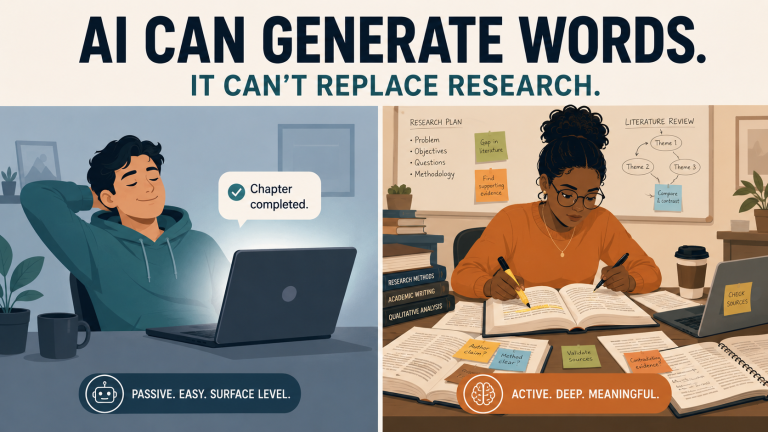
Thesis SpeedWrite doesn’t write your thesis for you, and it isn’t meant to. What it does is walk you through the research stages in order, clarifying your question, organizing your literature, structuring your methodology, so you’re not relying on willpower to keep nine moving parts straight in your head at once. It gives you a workflow to move through, not a shortcut around the thinking.
That distinction matters. AI should never replace the researcher, but it can absolutely strengthen one who’s stuck in a structural rut rather than a substantive one. If reason #1 or #4 above sounds familiar, a structured workflow tends to help faster than more willpower does.

Feeling Stuck? Here’s Where to Start
If you recognized your thesis in more than one of these nine reasons, you’re not behind, you’re dealing with a structural problem that has a structural fix.
Thesis SpeedWrite walks you through each research stage in order, so you always know what comes next instead of guessing.
Once your draft is in shape, Editer can help polish it, and Journal Hub is there when you’re ready to think about publishing beyond the defense.
The judgment stays yours, the workflow just stops working against you.


FAQ
How long should a master’s or PhD thesis actually take?
Timelines vary widely by field, program, and scope, but most delays students experience come from structural stalls, not from the topic genuinely requiring more time. If you’re past your program’s typical timeline, it’s worth diagnosing which of the reasons above applies before assuming you simply need more time
Is it normal to feel stuck on a thesis for months?
Yes, it’s common, but common doesn’t mean permanent. Most multi-month stalls trace back to one or two of the structural causes above, and they tend to resolve once that specific bottleneck is addressed directly.
What’s the fastest way to get unstuck?
When your thesis is taking too long, the fix is rarely ‘try harder’.
You have to identify which of the nine reasons is actually yours, most students find it’s one or two, not all nine, and address that specific bottleneck rather than trying to “work harder” across the board.
Can AI tools help me finish my thesis faster without compromising academic integrity?
Yes, when used to support structure and organization rather than to generate content on your behalf. Tools that guide you through research stages, clarifying questions, organizing sources, structuring arguments, speed up the process without doing the thinking for you.